
ENF vs E0 vs CARB P2: Cabinet Emission Grades Explained for Importers
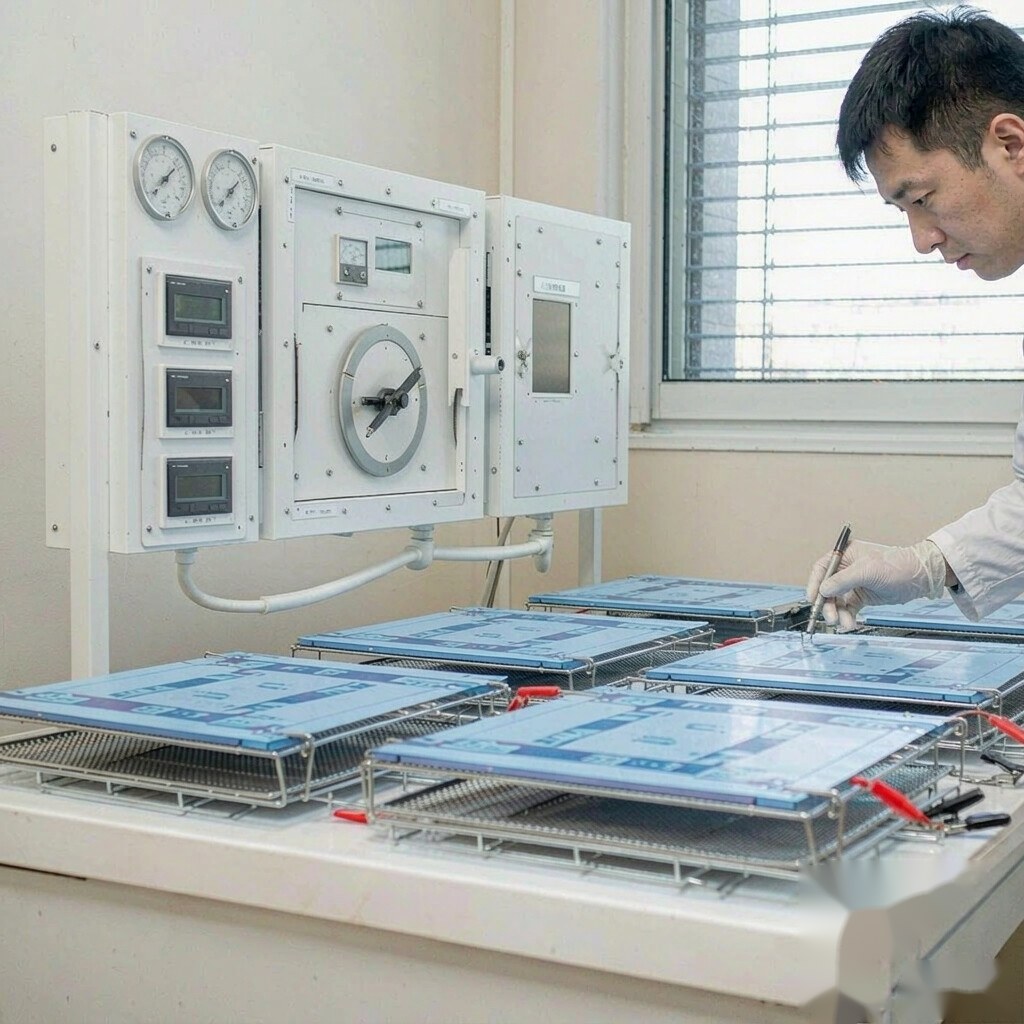
质检实验室板材检测
Formaldehyde emission grades decide whether cabinets pass inspection in Indonesia, Vietnam, Thailand and Malaysia — and whether families accept them indoors. Yet the labels are often misused by suppliers. Here is what each grade technically means and how to verify it.
The grades at a glance
| Grade | Limit (mg/m³, climate chamber) | Where it applies |
|---|---|---|
| E1 | ≤ 0.124 | EU minimum; dated for premium projects |
| E0 | ≤ 0.05 | Common premium claim in Asian markets |
| ENF | ≤ 0.025 | China GB/T 39600 top grade |
| HENF | ≤ 0.025 + hygiene certification | Marketing extension of ENF; always ask for the underlying report |
| CARB P2 | ≤ 0.05 (phase 2) | California standard, widely referenced by US-style buyers |
Which grade should importers specify?
- Family housing and kindergartens: ENF or CARB P2 — the lowest achievable, with per-batch chamber test reports.
- Hotels and apartments: E0 is generally sufficient and keeps cost under control; upgrade suites marketed as “healthy living” to ENF.
- Every project: the certificate must name the board thickness and production batch — a generic PDF is not evidence.
Three red flags in supplier documents
- A single certificate covering every thickness and every board type;
- “ENF grade” claimed without a GB/T 39600 climate-chamber test report;
- Reports older than 12 months with no batch number.
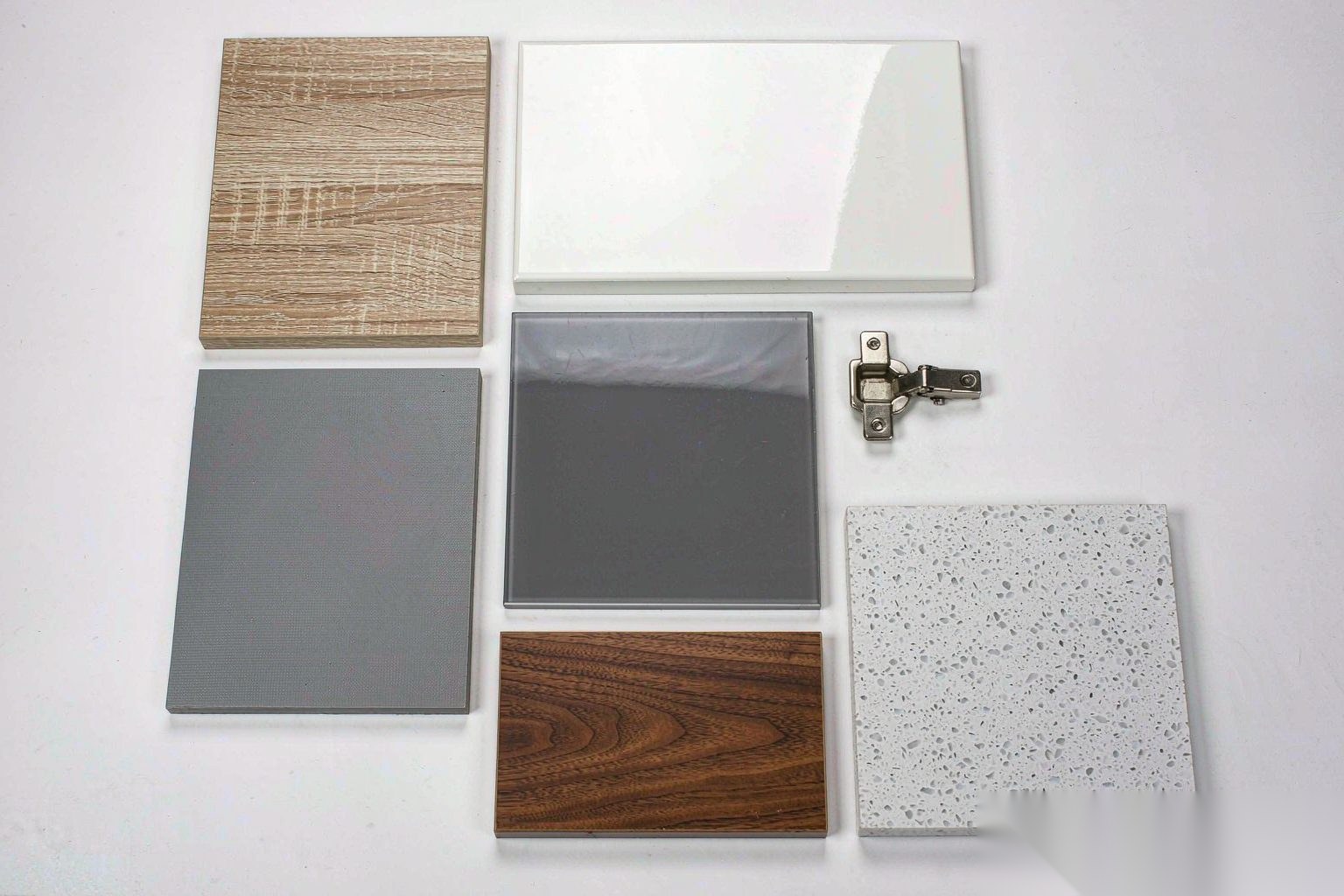
板材样张与环保等级标识
MXOHO supplies boards in E0 and ENF grades (HENF on request) with climate-chamber test reports per production batch, attached to every commercial invoice.
Need ENF-grade cabinets with verifiable reports for your market?